
University of Fallujah Organizes Awareness Workshop on the Role of Afforestation in Achieving Sustainable Development Goals
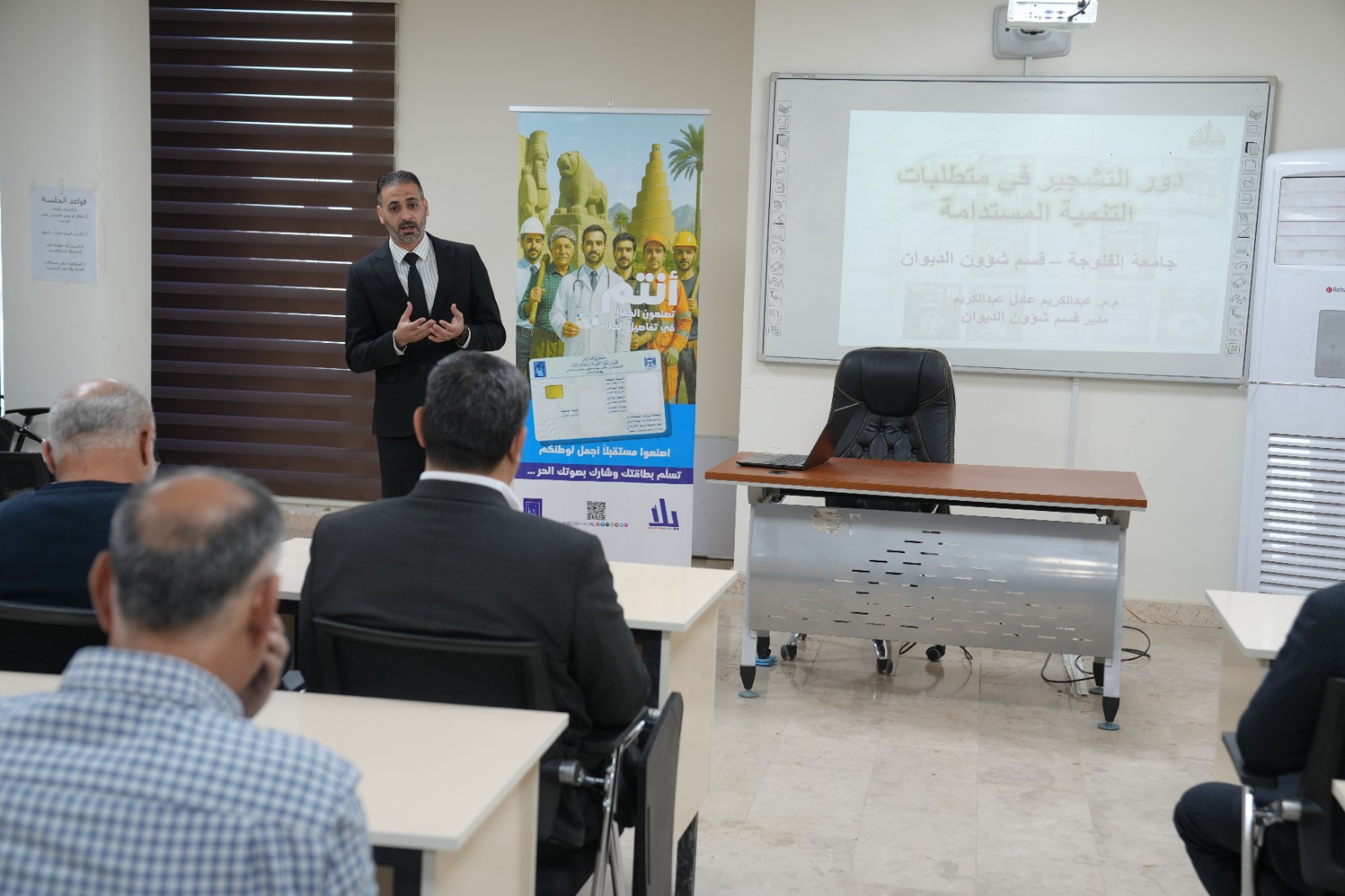
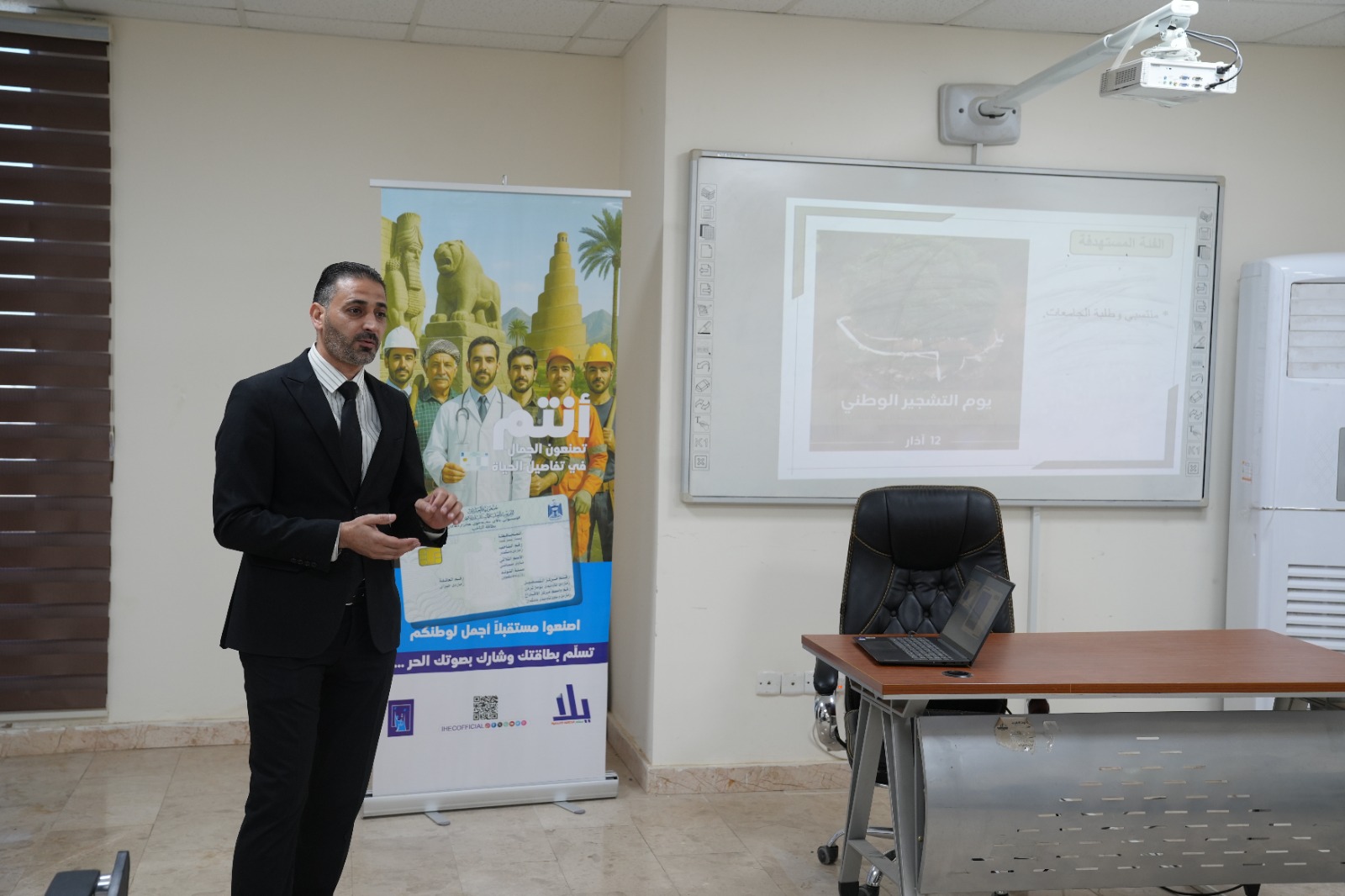
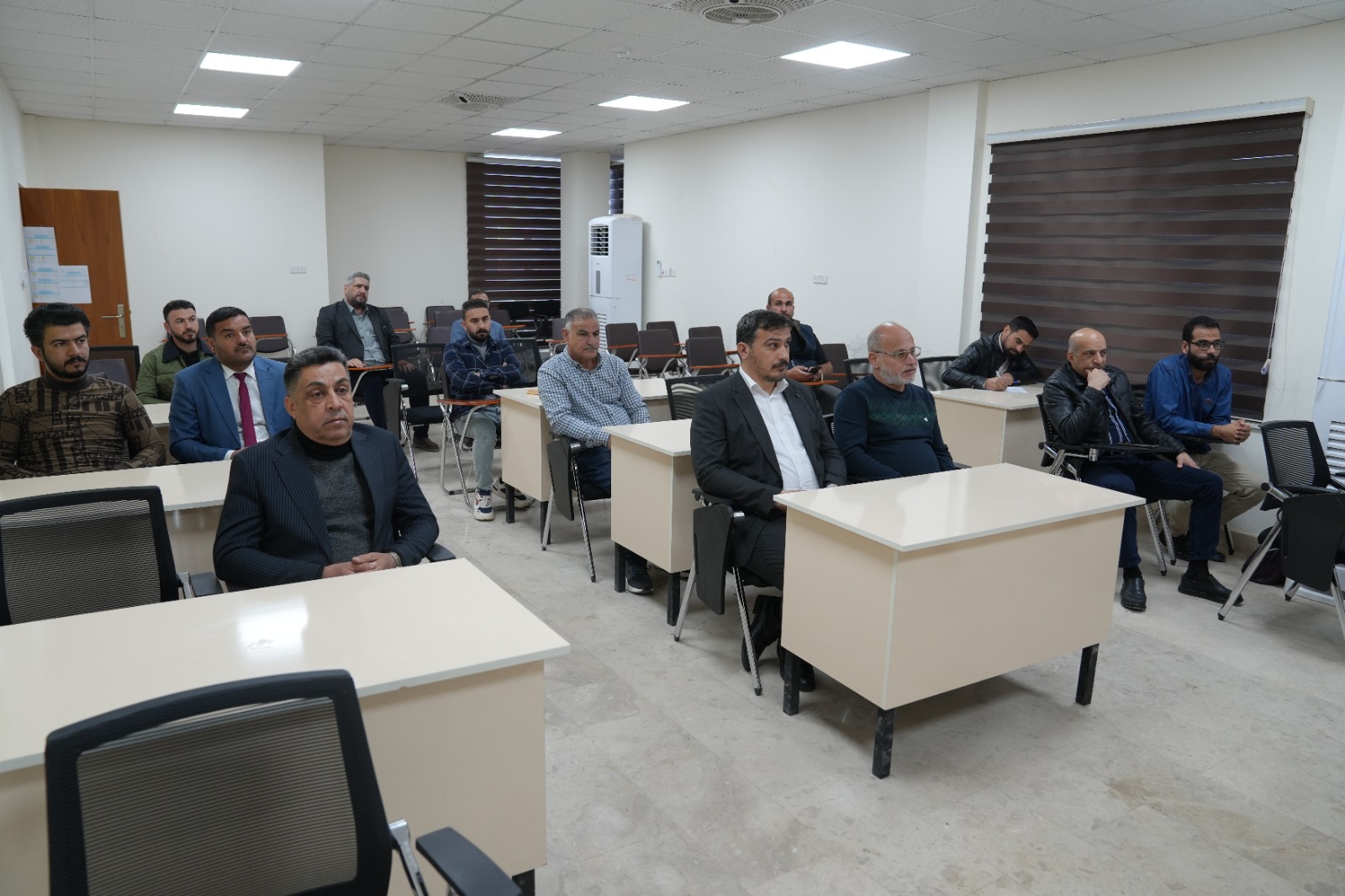
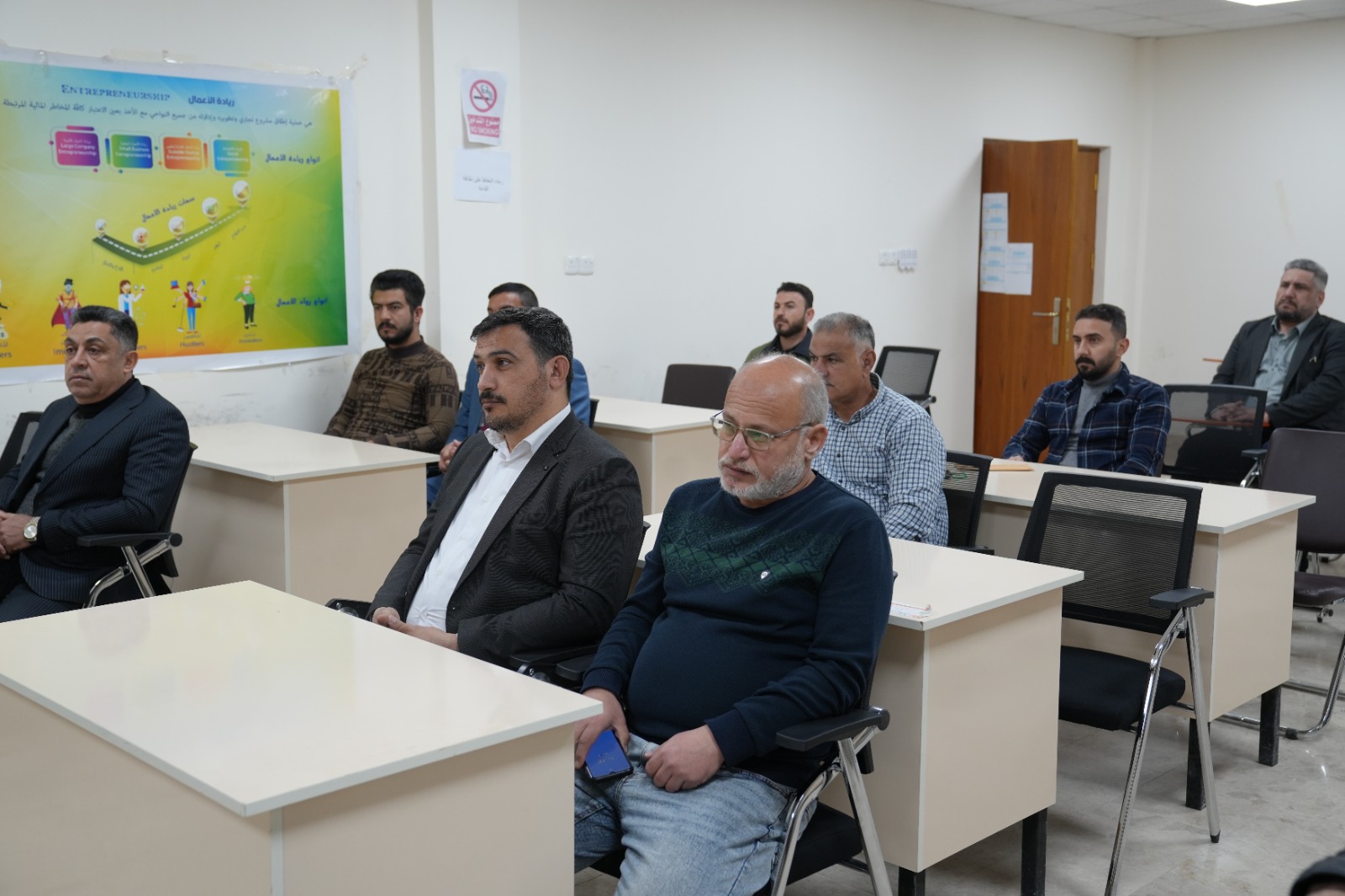
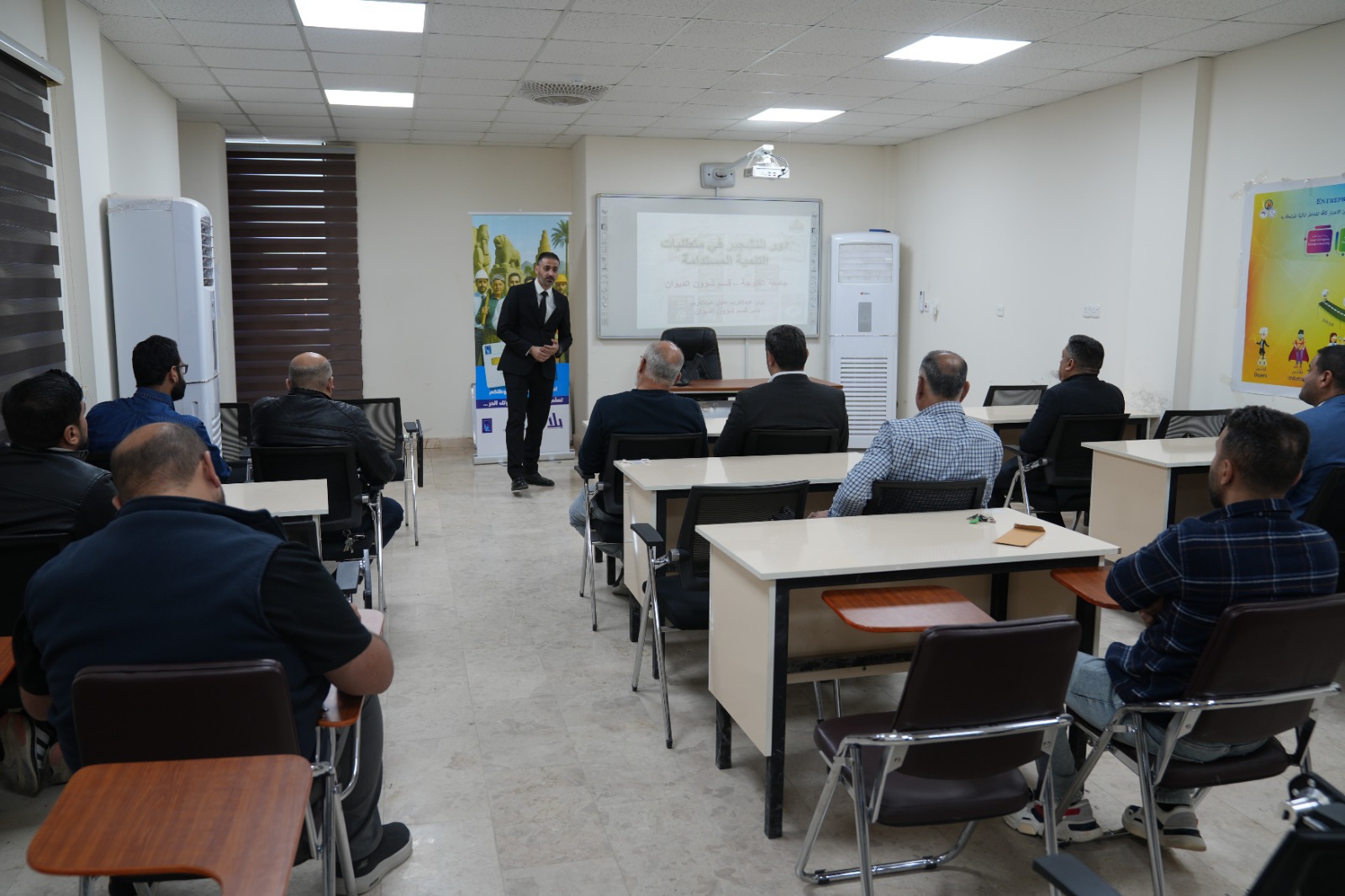
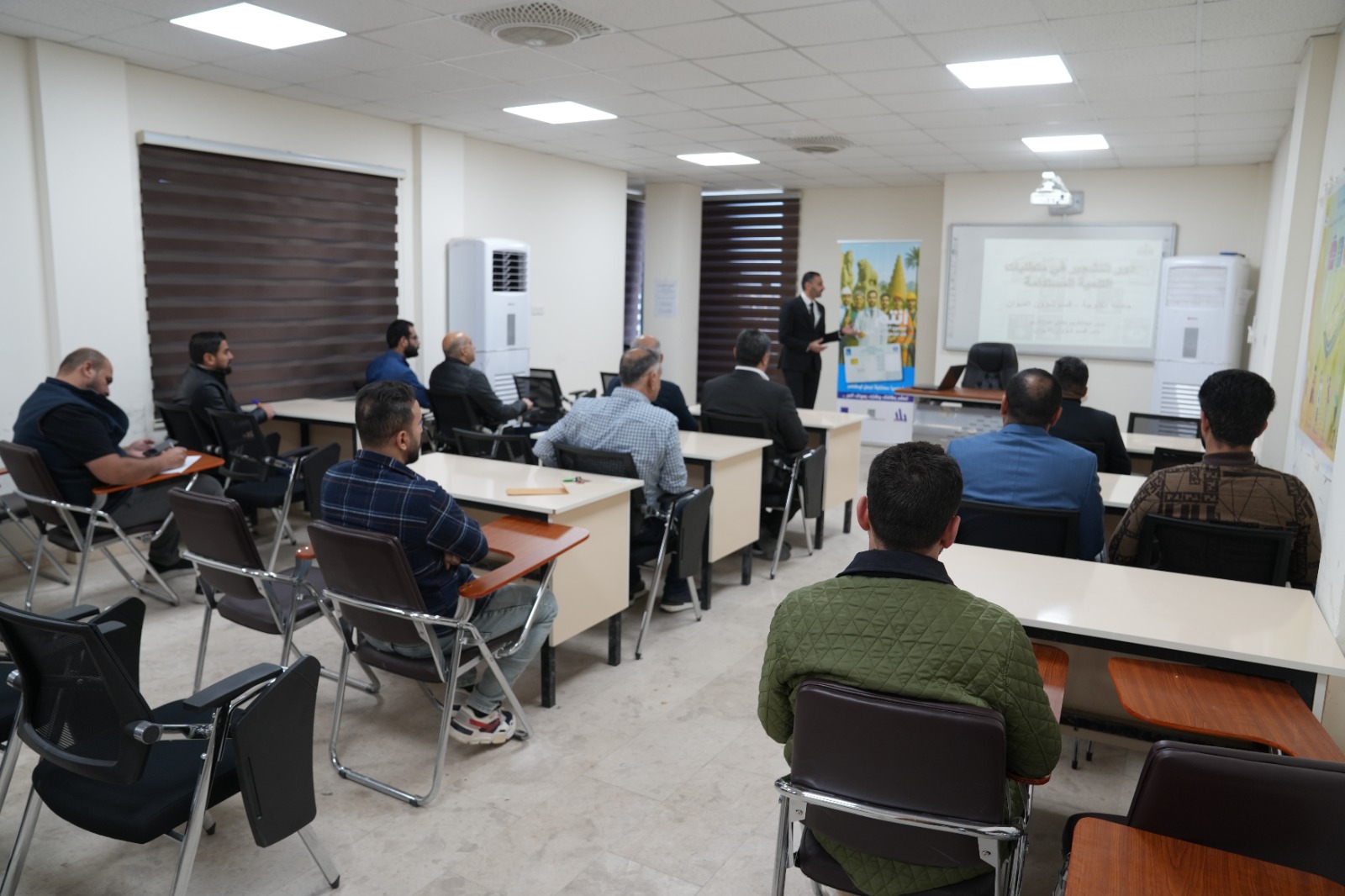
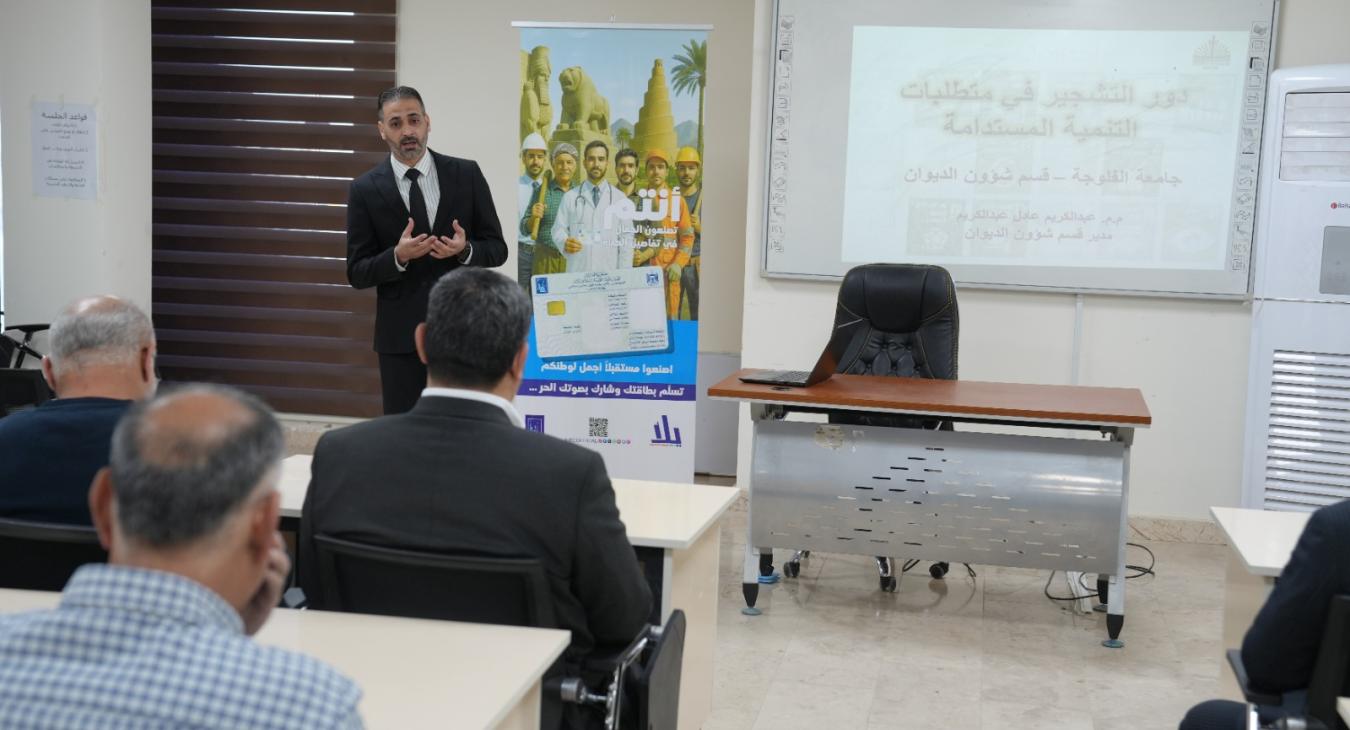
Coinciding with the National Afforestation Day, observed annually on March 12, and under the patronage of the esteemed University President, Prof. Dr. Ahmed Suleiman Hamad, the University of Fallujah, represented by the Department of Diwan Affairs at the University Presidency, organized on Tuesday, March 10, 2026, an awareness workshop titled “The Role of Afforestation in Achieving Sustainable Development Goals”, attended by a number of university affiliates. This initiative is part of the university’s ongoing efforts to enhance environmental awareness and instill sustainability concepts within the academic community.
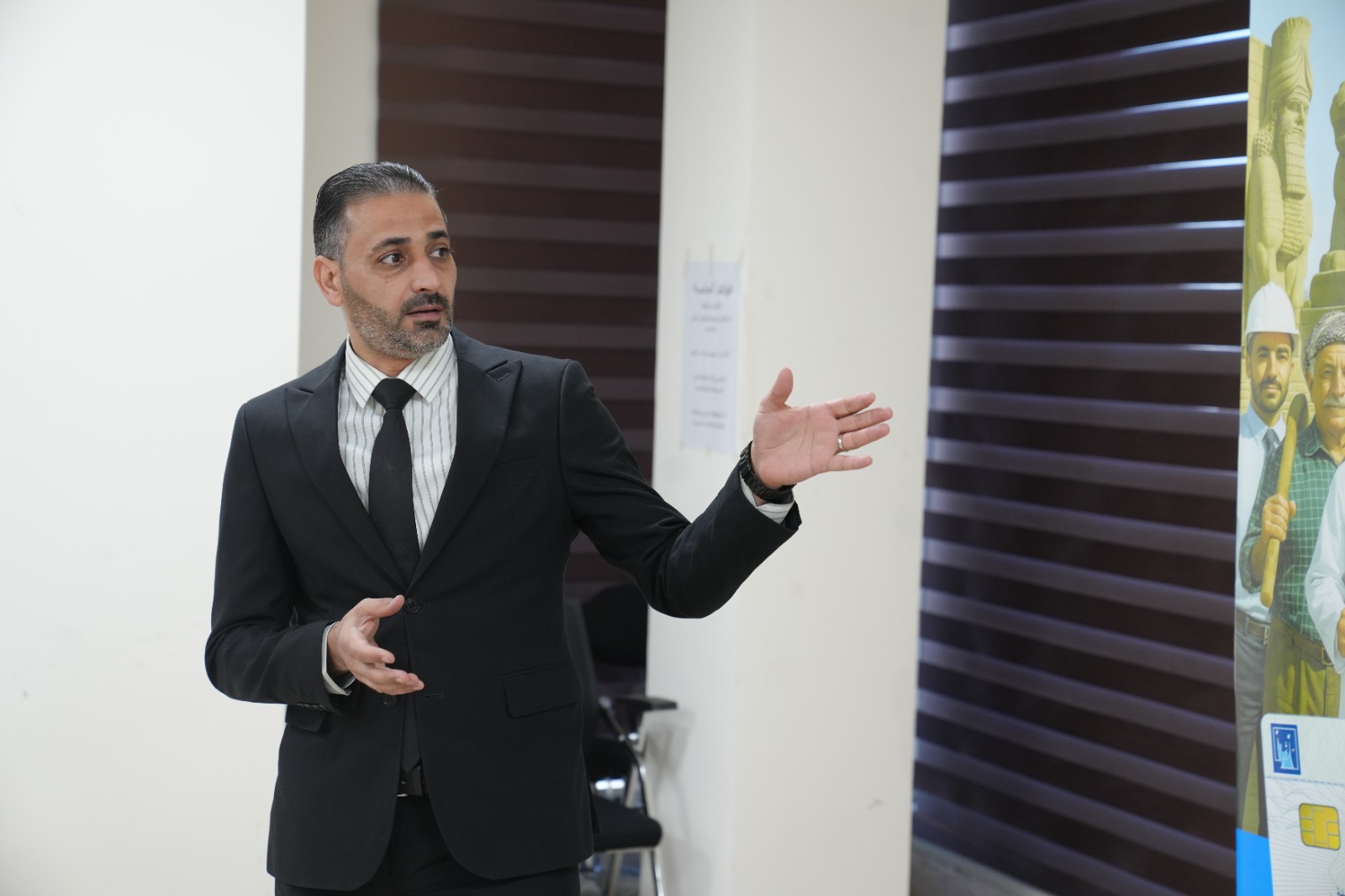
The workshop, delivered by the Director of the Department of Diwan Affairs, Eng. Abdul Karim Adel Abdul Karim, aimed to introduce the concept of afforestation and its importance as an effective tool for environmental improvement and comprehensive development, given its positive impact on environmental, economic, and social levels. It also highlighted the relationship between afforestation and the principles of sustainable development, which focus on meeting present needs without compromising the ability of future generations to meet theirs.
The workshop addressed several key topics, emphasizing the contribution of afforestation to the 17 Sustainable Development Goals (SDGs) adopted by the United Nations. The speaker highlighted the role of trees in supporting economic development and food security by providing sources of income for communities through the production of timber, honey, and various natural products, in addition to the role of fruit-bearing trees in enhancing nutrition and food availability.
Furthermore, the workshop explored the impact of green spaces on health and education, explaining how trees contribute to improving air quality and reducing pollution levels, thereby decreasing the prevalence of respiratory diseases. In educational institutions, the presence of green environments was shown to enhance concentration, stimulate creativity, and improve students’ learning abilities.
Regarding empowerment and equality, the presenter noted that afforestation projects can create employment opportunities for women, particularly in rural areas, thereby helping reduce the economic gender gap and promoting community participation in development initiatives.
The workshop also shed light on the role of trees in protecting natural resources by contributing to the purification of groundwater, preventing desertification, and reducing soil erosion. Additionally, trees support climate action aligned with SDG 13, by absorbing greenhouse gases and mitigating the impacts of climate change.
In conclusion, Eng. Abdul Karim Adel Abdul Karim emphasized that afforestation and the expansion of green spaces are not only environmental solutions but also represent an integrated development strategy that yields multiple social, economic, and health benefits. He called for collective individual and institutional efforts to promote a culture of afforestation and increase green spaces, as a means to build a more sustainable and prosperous future for generations to come.
Department of Media and Government Communication
Edited by: Omar Amer Al-Dhihiba