
Workshop Report: The Digital Identity of Universities and Academic Staff
Date: Thursday, July 31, 2025
Time: 12:00 PM
Venue: Lab 3 – Computer Center
Presenter: Dr. Ahmed Abduljabbar AlSabhany, Website Division Director
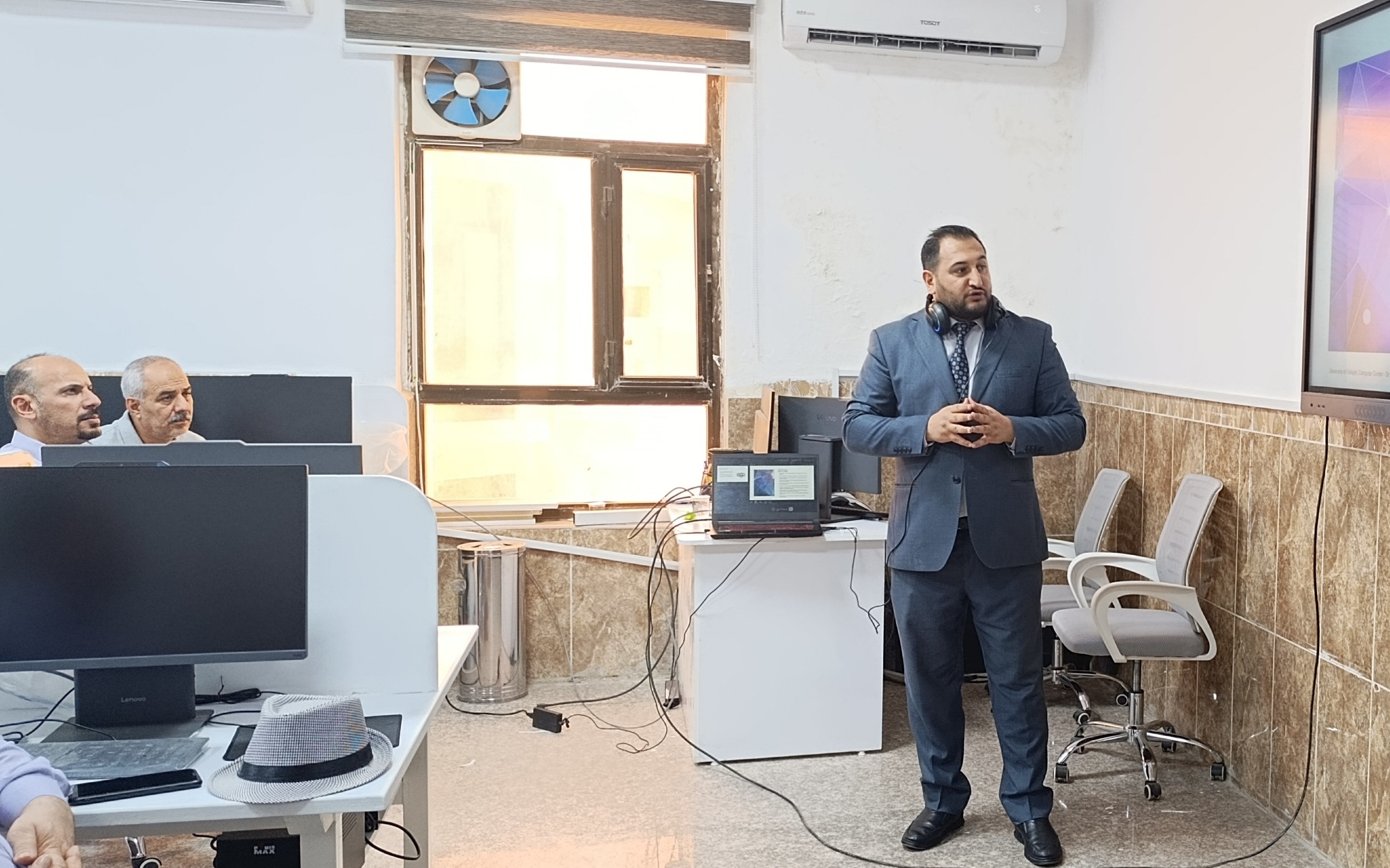
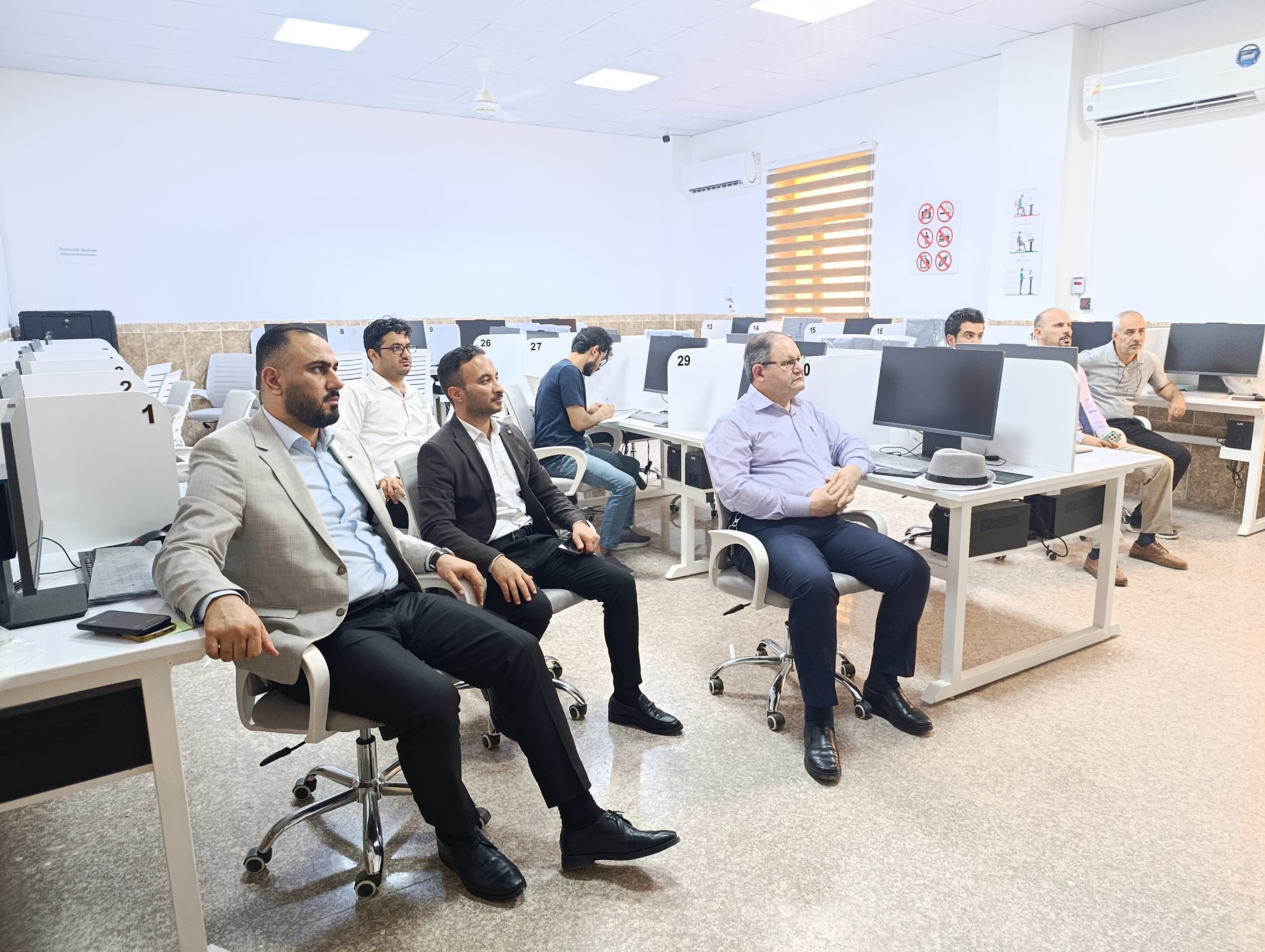
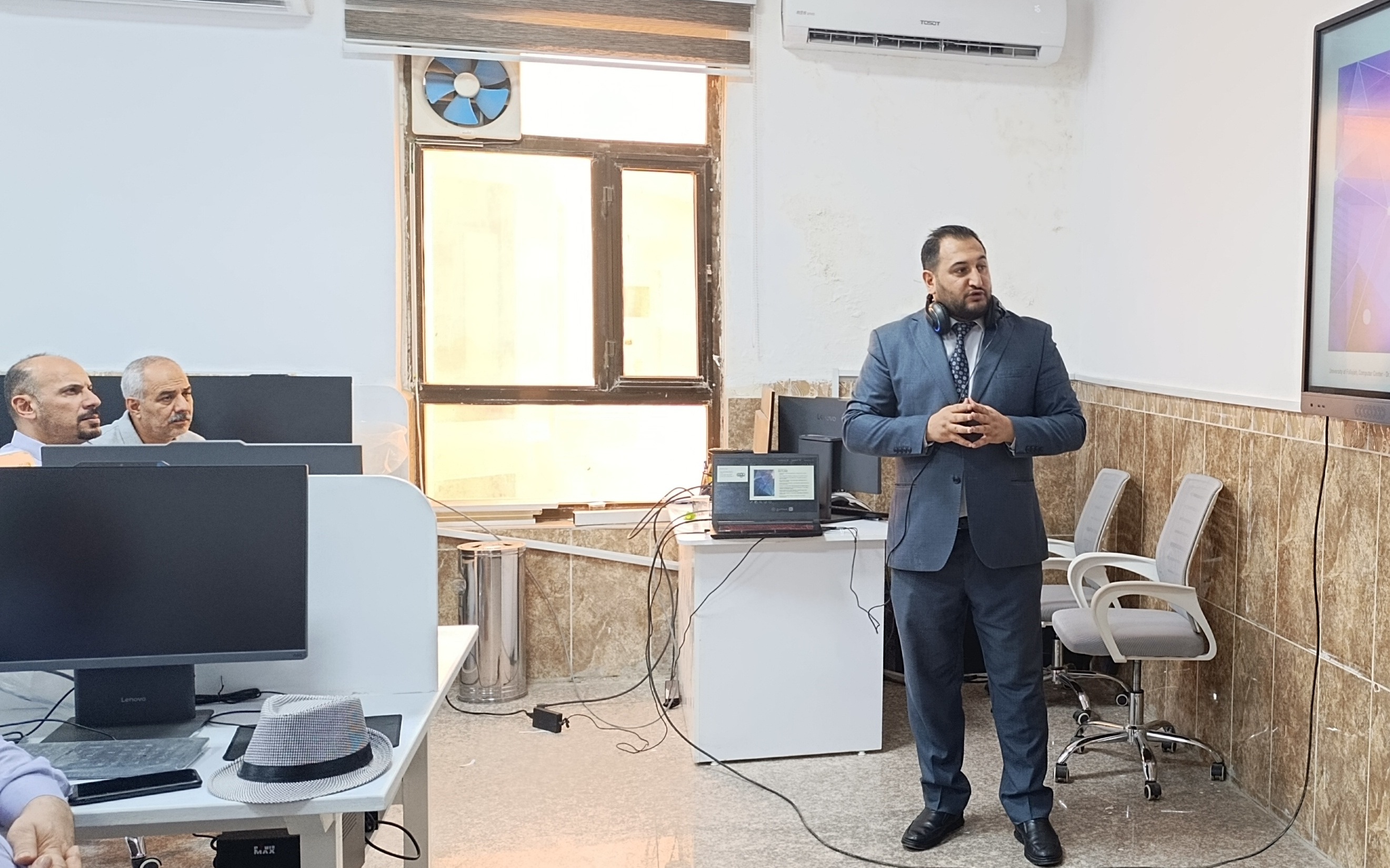
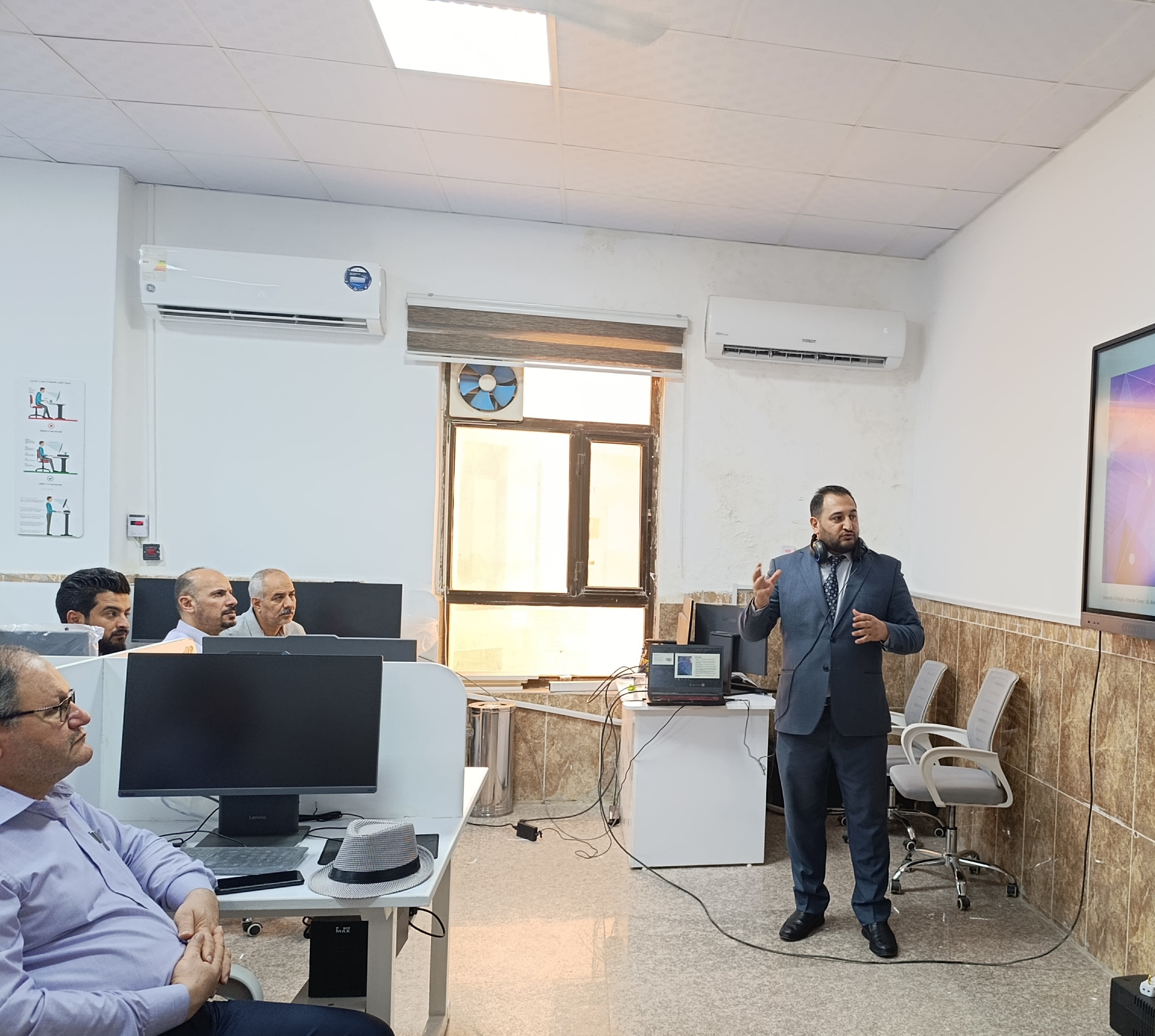
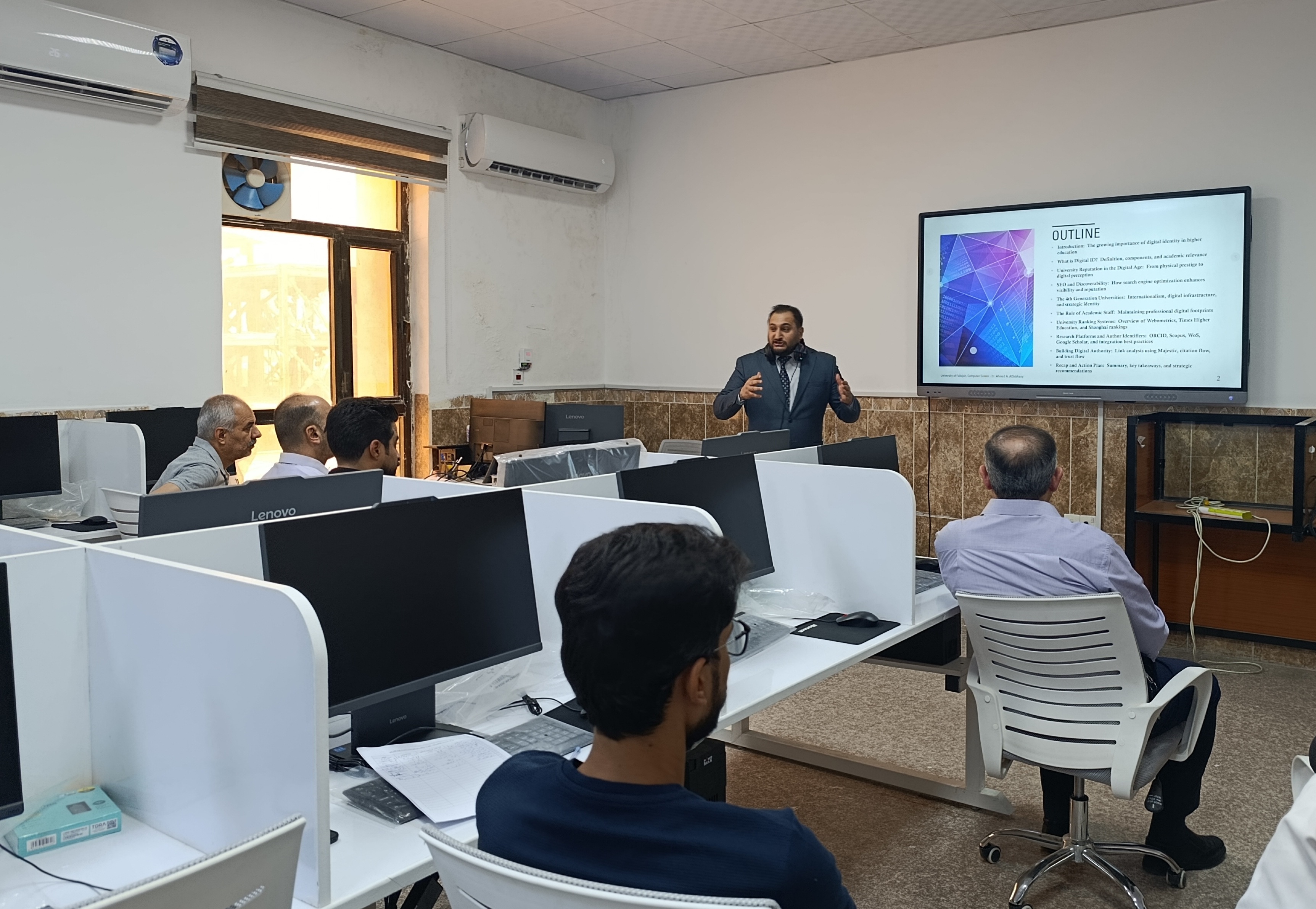
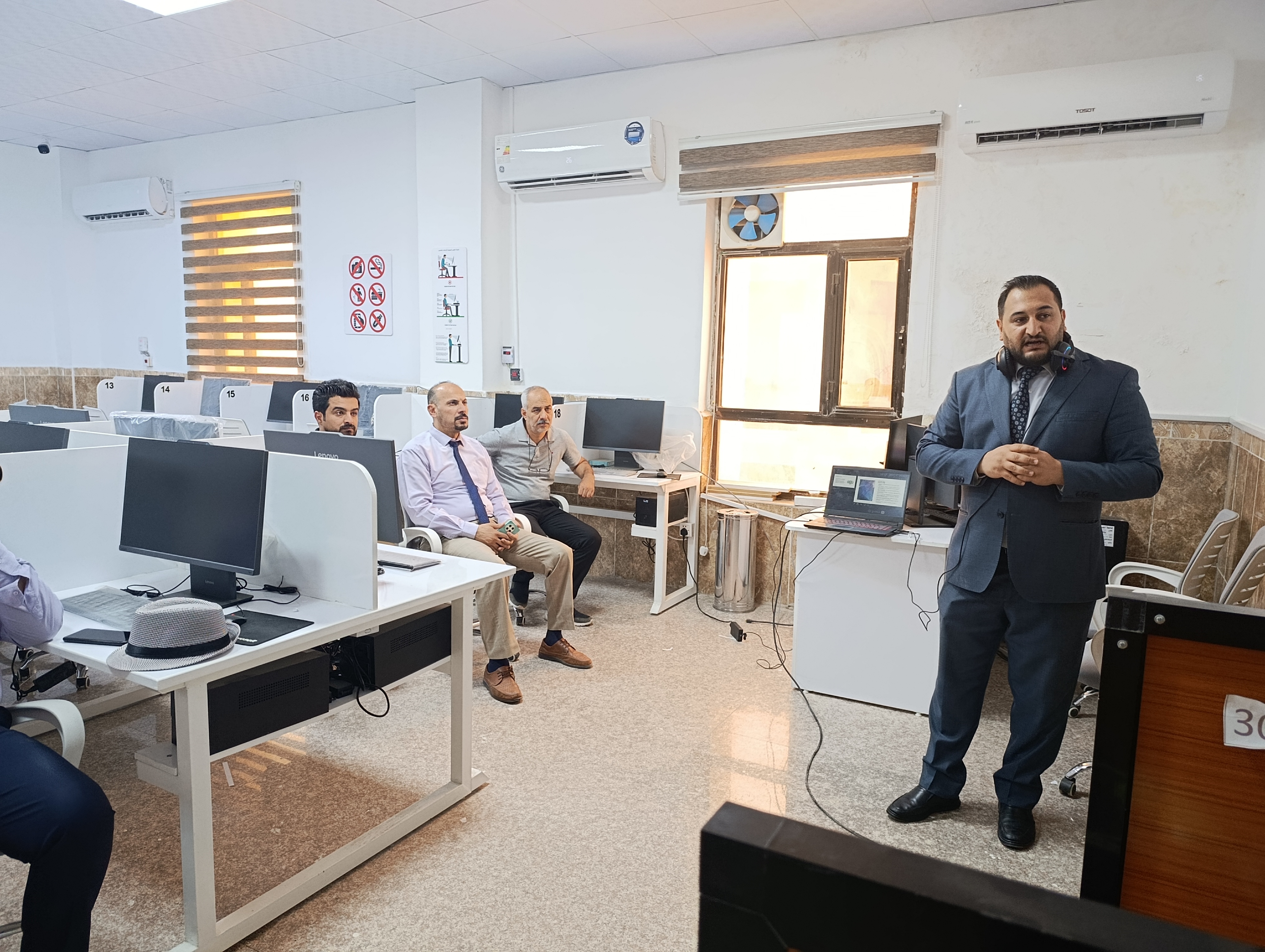
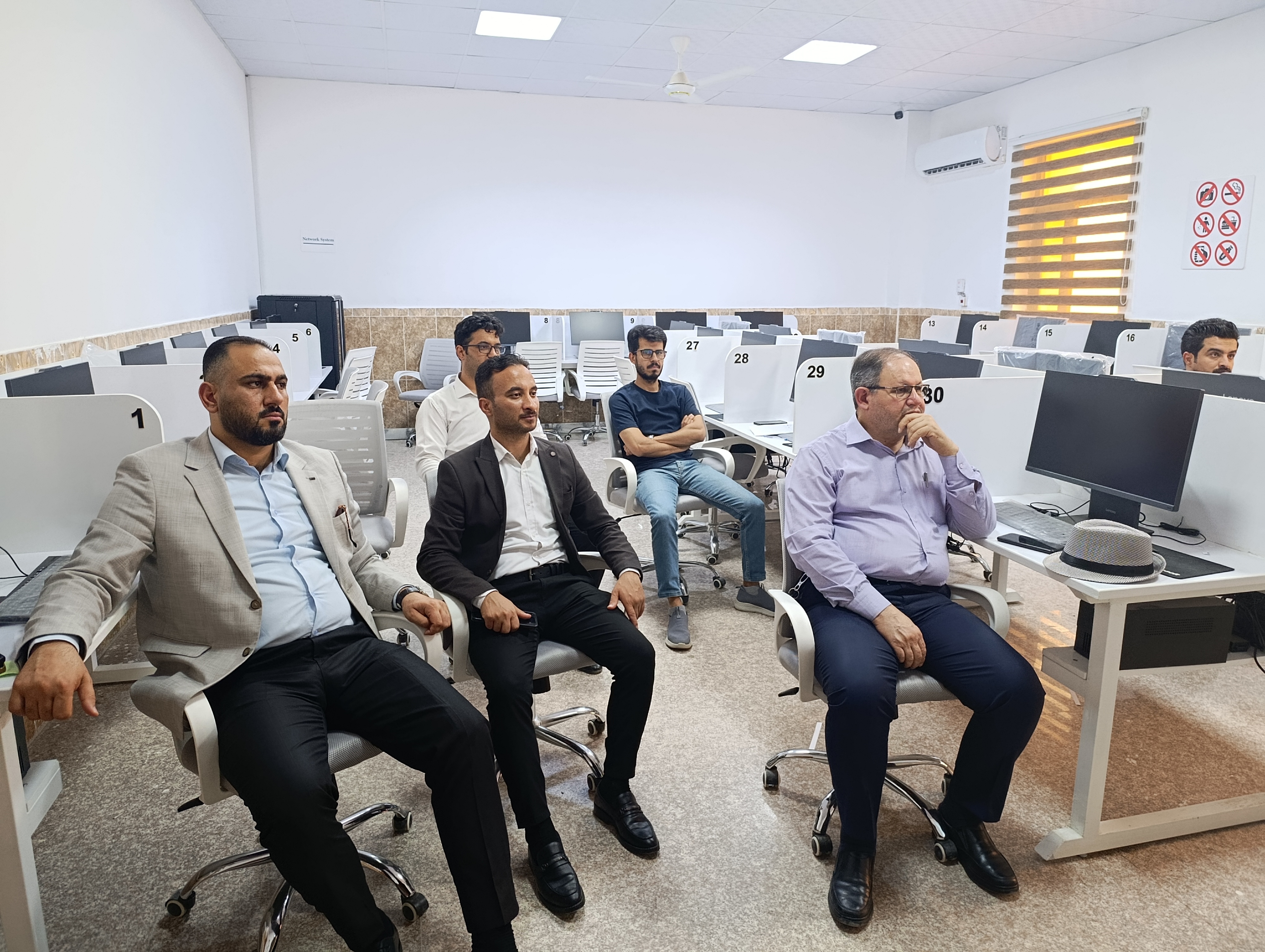
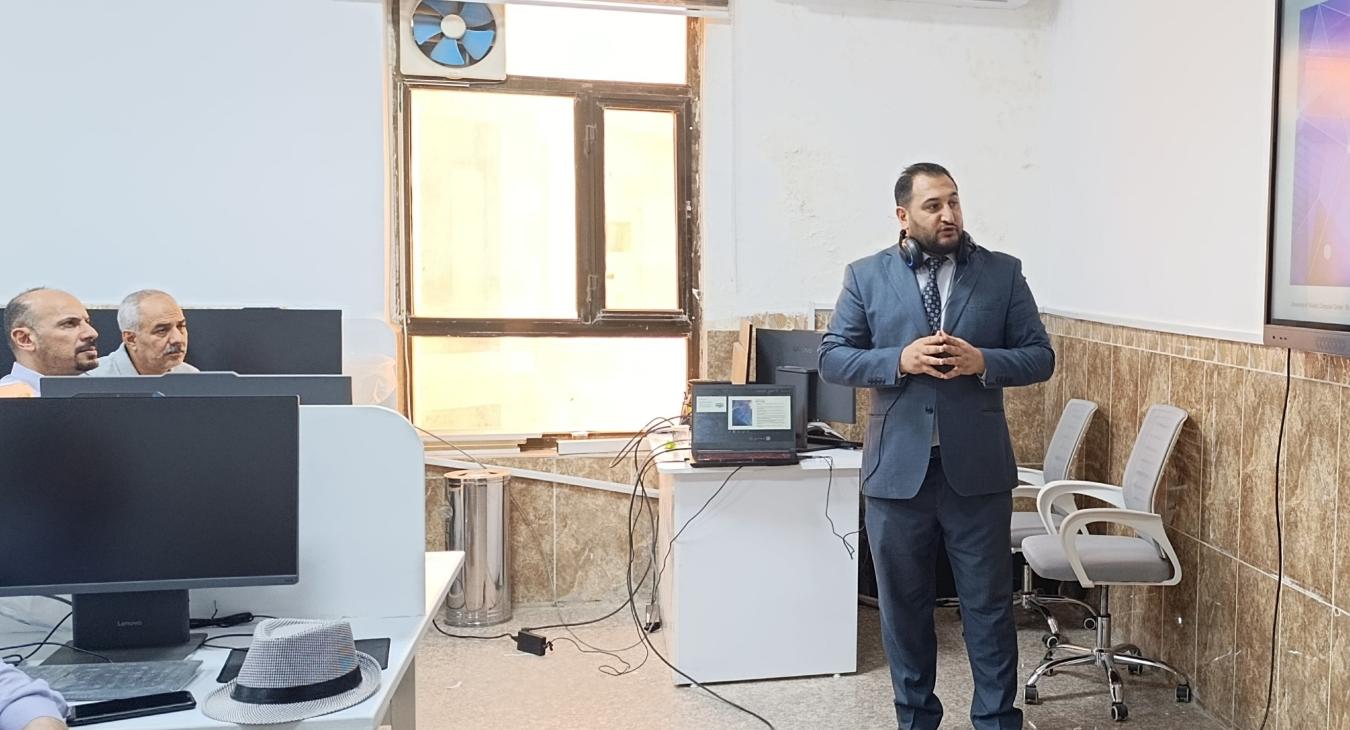
The Computer Center at the University of Fallujah successfully organized a specialized workshop titled "The Digital Identity of Universities and Academic Staff" on Thursday, July 31, 2025. The workshop was presented by Dr. Ahmed Abduljabbar AlSabhany and attended by a diverse group of academic faculty, department representatives, and technical staff.
The session focused on the critical role that digital identity plays in enhancing the global presence and academic reputation of universities and their teaching staff. The presenter provided a comprehensive overview of the components of digital identity, emphasizing the significance of well-structured university websites, accurate staff profiles on research platforms, and the use of multilingual and SEO-friendly content.
A key part of the workshop was dedicated to explaining how digital presence directly influences university rankings such as Webometrics, Times Higher Education, and the Shanghai Academic Ranking. Participants explored the mechanisms by which these rankings gather data from institutional websites and online platforms and how small improvements in visibility and structure can have a measurable impact.
The workshop also highlighted the importance of maintaining consistent academic profiles on platforms such as ORCID, Scopus, Google Scholar, and Web of Science, and stressed the responsibility of faculty members in updating and unifying their digital academic presence. In addition, the concept of fourth-generation universities was discussed, particularly their emphasis on international visibility, innovation, and integration with society.
Real-world examples were presented from institutions such as MIT and Harvard, showcasing best practices in digital reputation management, research dissemination, and community engagement through structured digital content. These case studies demonstrated how strategic digital identity management contributes to institutional excellence.
Attendees gained practical insights into enhancing both individual and institutional digital presence and were provided with an action plan to align their practices with international standards. The workshop concluded with an open discussion and Q&A session, during which participants shared observations and explored implementation strategies specific to their departments.
The Computer Center commends the active participation of all attendees and reaffirms its commitment to supporting digital development and academic excellence across the university. Certificates of participation were awarded to all attendees.